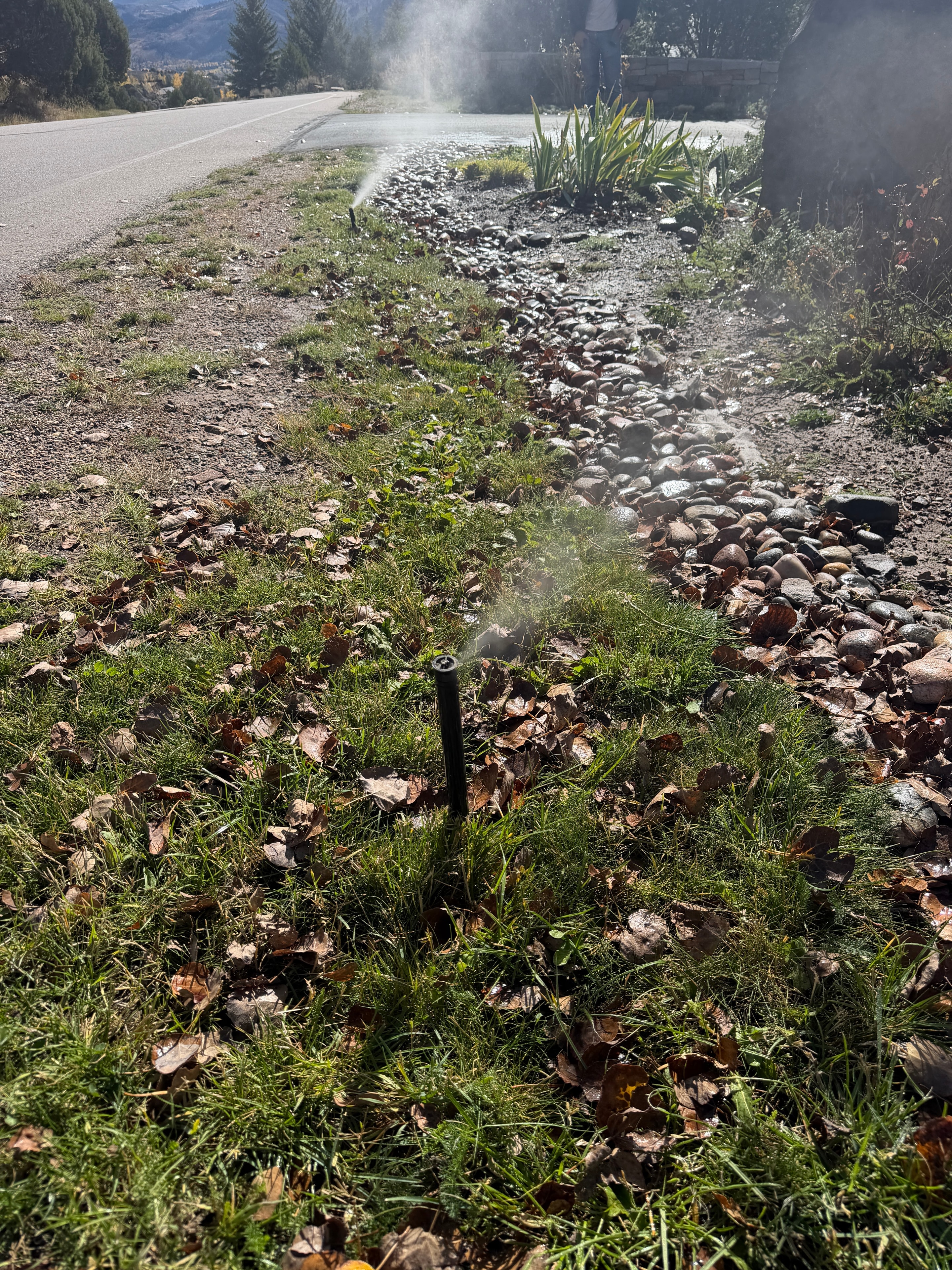
Why Mold Grows in Colorado Attics, and What It Takes to Stop It
An attic can look dry from the living room while moisture is collecting on the underside of the roof. In the Vail Valley, cold winters make that hidden problem especially important to investigate.
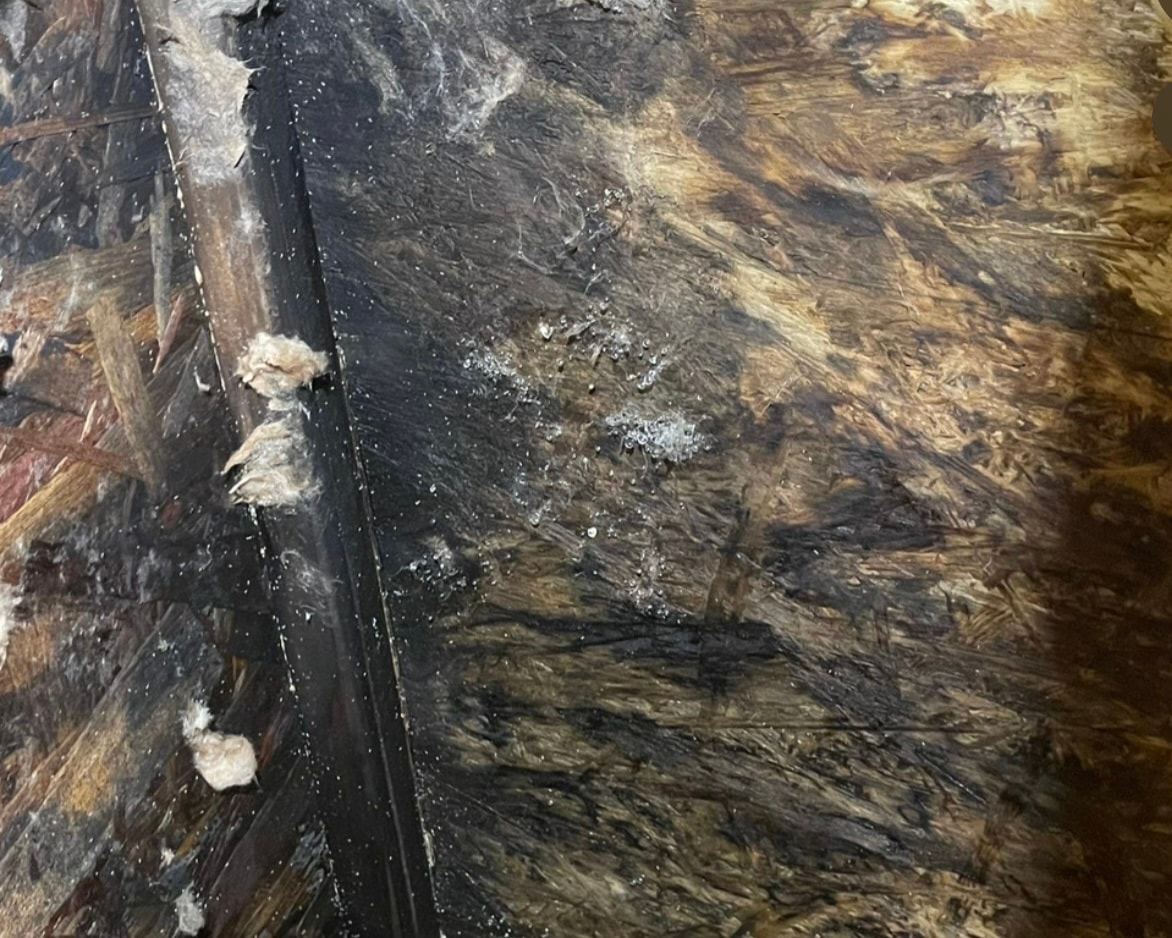
An attic can look dry from the living room while moisture is collecting on the underside of the roof. In the Vail Valley, cold winters make that hidden problem especially important to investigate.
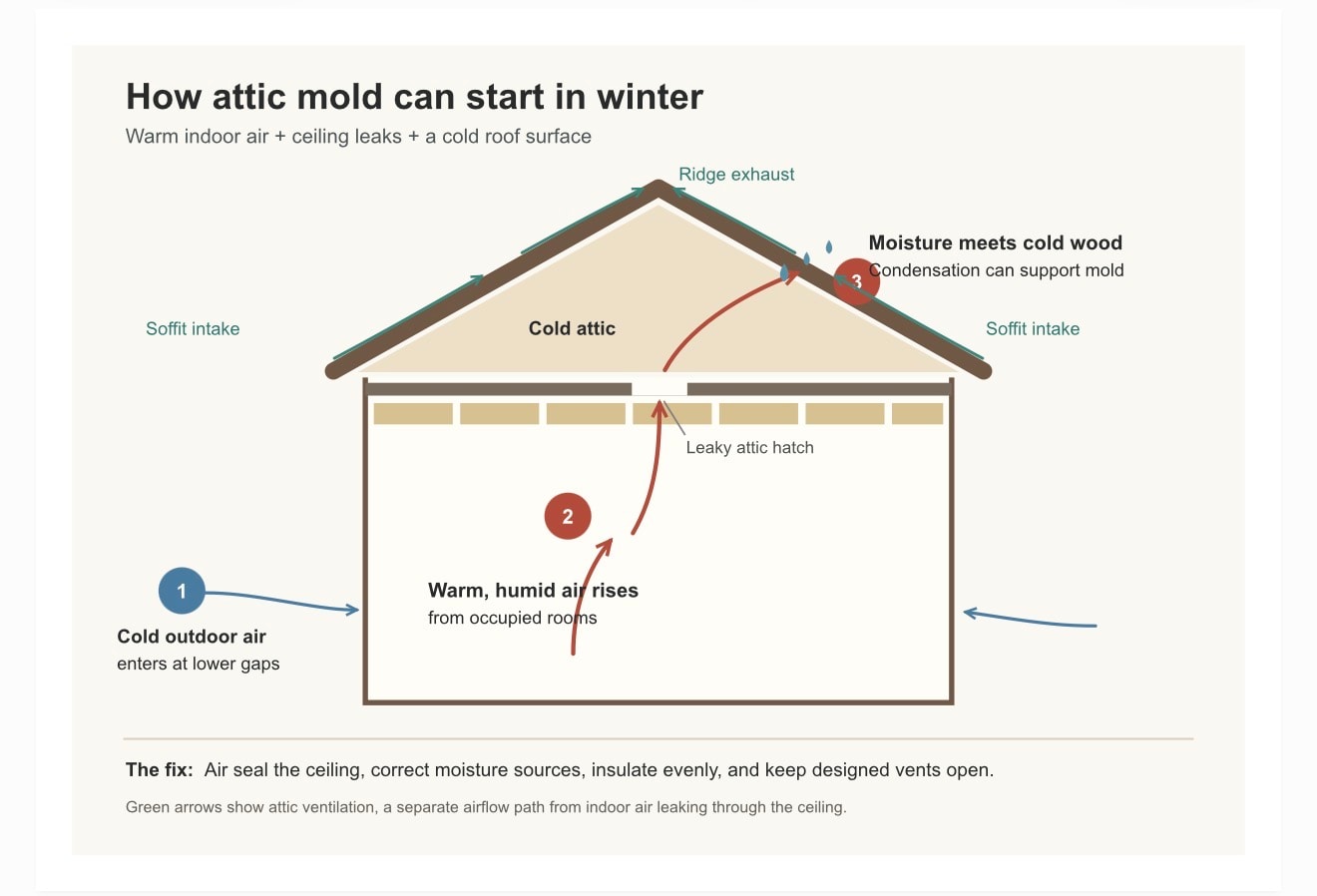
The Stack Effect: How House Air Reaches the Attic
In winter, warm indoor air tends to rise. Air escaping near the top of a house draws replacement air in through lower leaks. This is the stack effect. If the ceiling below a vented attic has gaps around plumbing stacks, recessed lights, duct chases, wiring, chimney enclosures, or the attic hatch, heated indoor air can carry moisture into the attic. When it meets cold roof sheathing, moisture may condense or freeze; repeated wetting can support mold. Insulation alone does not seal those air leaks. The U.S. Department of Energy specifically warns that adding insulation without first air sealing the attic can create serious moisture problems.
What Else Makes an Attic Hospitable to Mold?
Mold spores are common in the environment. The critical ingredient is persistent moisture. Roof decking made from plywood or oriented strand board (OSB), rafters, trusses, and dust on surfaces provide material on which growth can develop when they remain damp. Staining is not automatically mold; investigation matters.
- Poor or obstructed ventilation. In a vented attic, soffit intake and high exhaust vents need an effective path. Insulation pushed into the eaves, missing baffles, blocked soffits, or an unsuitable vent configuration can restrict that path. More vents alone cannot fix a major ceiling air leak.
- Missing, compressed, or uneven insulation. Bare ceiling bays and gaps around attic hatches or perimeter edges allow more heat to reach the roof and create cold spots at the ceiling. Air seal first, then install the insulation level appropriate to the assembly and current local requirements without burying ventilation channels or heat-producing fixtures.
- Fans or ducts ending in the attic. Bath, kitchen, and dryer exhaust must discharge outdoors, not into a roof space. Leaky ducts and condensation on cold duct surfaces can also introduce moisture.
- Roof leaks and ice dams. Flashing, penetrations, valleys, skylights, and ice-dam leaks can wet sheathing and insulation. Snow and frost can hide a leak until a thaw.
- Construction moisture and unusual roof assemblies. Wet framing enclosed before it dries, a poorly detailed vapor or air control layer, or an improperly built unvented roof can trap moisture. An unvented, insulated roof needs a different design from a vented attic; adding soffit vents indiscriminately can damage that design.
How Would Anyone Know?
Often, they would not. The attic may be accessed only when a roof is repaired, a contractor installs equipment, an inspector examines a home before a sale, or a buyer asks about a musty odor. Watch for dark or patchy staining on the underside of sheathing, frost or rusty fasteners in winter, damp or matted insulation, water marks at roof penetrations, peeling ceiling finishes, recurring ice dams, and a persistent musty smell. An odor is a reason to investigate, not a diagnosis. There may be no odor in the occupied rooms even when growth is visible above them.
During real estate transactions, we have seen inspection reports describing elevated airborne mold spore counts. Such results deserve investigation, but one air sample cannot by itself establish the source, quantify an occupant's exposure, or prove that a particular attic is unsafe. The EPA has no federal numerical limits for indoor mold spores. A qualified independent assessor can interpret samples alongside visual findings, moisture conditions, outdoor comparisons, and the building's airflow.
At SteamMaster, we look beyond the attic hatch: behind stored items, under insulation where appropriate, around exhaust terminations, at eaves, along the roof deck, at penetrations and in other inconvenient places. We document what is found and trace the water or air path. A dark roof deck deserves a diagnosis, not a sales pitch for a spray treatment.
Can Attic Mold Affect Occupants?
An attic is usually separated from the living space, but gaps in that boundary, duct leakage, HVAC equipment, and work that disturbs contaminated materials may create pathways for particles into occupied areas. People differ in sensitivity. Mold and dampness can be associated with nasal or throat irritation, coughing, wheezing, allergic symptoms, and worsening asthma. Feeling poorly does not prove mold is the cause, and some occupants have no symptoms. Anyone with persistent symptoms should discuss them with a clinician while the building is investigated.
Find the Cause Before Writing the Remediation Scope
A useful assessment asks: Is there an active roof leak? Is staining concentrated near a bath fan or roof penetration, or widespread across cold sheathing? Are soffit paths open? Is the attic hatch gasketed? Are ceiling penetrations sealed? Is insulation missing or compressed? Is the roof designed as a vented or unvented assembly? Are materials currently wet? Moisture readings, careful visual inspection, selected exploratory work, and sometimes an independent indoor environmental assessment help distinguish an old stain from an active problem.
The party paying for the work, and the people who will live with the result, deserve a written scope that identifies both the contamination and its source. Sellers, buyers, property managers, insurers, and contractors may have different timelines and interests. None of those pressures makes concealed growth disappear. Choose a firm willing to document findings, explain the plan, and address the cause rather than offer a convenient cosmetic fix.
What Doing It Right Looks Like
- Stop the wetting. Repair roof or flashing defects, correct improperly terminated exhaust, address ceiling air leakage and verify the roof's intended ventilation strategy.
- Protect the living space and workers. Select containment, filtration, negative pressure where warranted, and personal protection based on the area, access, and scope. Avoid spreading debris through the house.
- Remove affected porous material. Wet or mold-contaminated insulation generally cannot be reliably cleaned and may need removal. Clean or remove affected framing and sheathing as their condition requires, using appropriate physical removal and HEPA cleaning. Replace structurally compromised materials.
- Dry and verify the surfaces. A coating, if specified for the particular product and substrate, is an adjunct after cleaning and drying. It does not substitute for physical removal or moisture correction, and it does not guarantee mold will never recur. Document the product, coverage, and limitations.
- Check the work before covering it. An independent assessor can perform post-remediation verification against an agreed scope, including visual cleanliness, absence of musty odor, dryness, and targeted sampling when useful. EPA notes that air sampling is often unnecessary and can be less informative than visual and sensory checks.
- Reinsulate correctly. After verification, seal the ceiling plane, restore the appropriate insulation depth and coverage, preserve vent channels with baffles in a vented assembly, and keep exhausts directed outdoors. Recheck conditions after a winter cycle.
The ANSI/IICRC S520 Standard for Professional Mold Remediation provides a professional framework for this work. Post-remediation verification and repaired moisture pathways give meaningful evidence that the job was done properly. No coating or test can promise an attic will never develop another leak or moisture problem.
Preventing Attic Mold During Construction
Builders can avoid many attic failures by designing the roof assembly deliberately, keeping framing dry before enclosure, sealing the ceiling air barrier at every penetration, ducting fans to the exterior, installing continuous insulation, protecting soffit pathways with baffles where the design calls for them, and checking roof flashings. A final inspection should confirm that the installed work matches the design. The hidden details determine whether the attic stays dry.
Concerned about an attic in Vail, Beaver Creek, Avon, Edwards, Eagle, or elsewhere in the Central Colorado Rockies? Contact SteamMaster Restoration and Cleaning for an investigation and a documented remediation plan. We can coordinate with an independent assessor for verification. Do it right, do it right now.
Explore Topics
Written by
SteamMaster360
Content creator and writer sharing insights and stories.