Quartzite vs. Quartz: Similar Names, Different Countertop Care
Two countertops can look remarkably similar and need very different care. Here is what Vail Valley homeowners should know about quartzite and quartz before cleaning, sealing, or addressing damage.
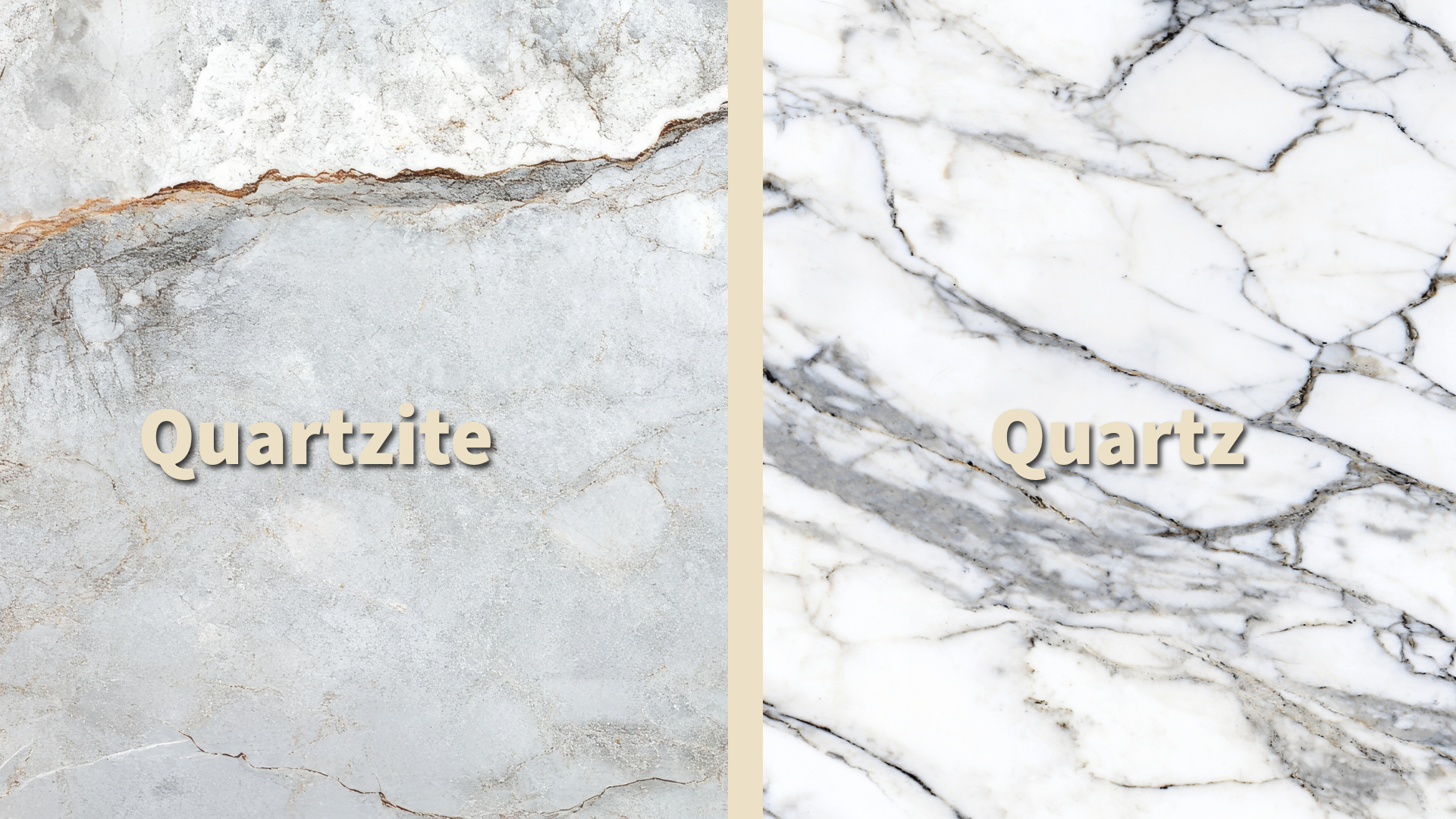
Two countertops can look remarkably similar and need very different care. Quartzite and quartz are a good example. Both can bring beautiful color and movement to a kitchen, but knowing what you own matters when it is time to clean, protect, or address damage.
For homeowners choosing countertops in Vail, Beaver Creek, Edwards, or elsewhere in the Central Colorado Rockies, here are the differences worth understanding.
What are they made of?
Quartzite is natural stone. It forms when sandstone is transformed by heat and pressure. The stone is quarried, cut into slabs, and finished for use in your home.
Quartz countertops are engineered surfaces. Manufacturers combine mineral particles with resins, pigments, and other ingredients. Quartz is a natural mineral, but an engineered quartz countertop is a manufactured product.
Appearance: natural variation or a more controlled design
Quartzite offers mineral patterns, color changes, and movement that vary from slab to slab. If a particular piece catches your eye, inspect the full slab and discuss how its pattern will fit your countertop layout.
Quartz offers a more controlled range of colors and patterns, including designs that resemble marble. Consistent does not mean plain. View a full slab or representative installation rather than relying only on a small sample.
Maintenance: does either need sealing?
Quartz generally does not need sealing. Follow the manufacturer's cleaning instructions. For example, Cambria recommends warm water, a soft cotton cloth, and mild soap if desired, and warns against sealers and abrasive pads.
Quartzite's sealing needs depend on the stone's porosity and any existing treatment. Some slabs benefit from an impregnating sealer; others may not need one. There is no universal resealing calendar for every quartzite countertop.
A qualified stone care professional can assess the surface and recommend appropriate care. Sealing can improve stain resistance, but it does not make stone damage-proof.
Heat: use a trivet with both
Quartzite generally tolerates heat better than engineered quartz, but that is not permission to set hot cookware directly on it. Surface treatments and the installed countertop assembly also matter.
Engineered quartz requires particular care around hot pans and heat-producing appliances. Excessive heat can damage the surface. Use suitable trivets or hot pads according to the manufacturer's instructions.
Cost: compare the complete installed project
Quartzite is often the more expensive option, but that is a useful starting point, not a pricing rule. Ask fabricators for comparable installed quotes covering the selected material, thickness, edges, cutouts, seams, and installation. Quartzite's hardness can increase fabrication work and tool wear.
One important warning: confirm what you own
Some stone sold as "quartzite" or "soft quartzite" is actually marble or dolomitic marble. True quartzite resists common kitchen acids. Marble can etch when exposed to lemon juice, vinegar, or wine, leaving dull marks that cleaning will not remove.
If your countertop develops those marks, have it assessed before choosing a treatment. Ask a professional to evaluate a spare offcut when testing is needed rather than experimenting on the installed surface.
Choose the surface that fits your home
Quartzite appeals to people who want natural variation and the character of a quarried slab. Quartz appeals to people who want a broad design selection and straightforward routine care without sealing.
Whichever you choose, keep the material name, supplier information, and care instructions. The right care starts with knowing the surface.
Have dull areas, discoloration, or questions about your natural stone? Contact SteamMaster at 970.827.5555 or visit our stone restoration services to schedule a stone care assessment. We serve Vail, Breckenridge, Snowmass, and Aspen.
Sources: Natural Stone Institute - Natural Quartzite and Engineered Quartz{:target="_blank" rel="noopener noreferrer"}, Natural Stone Institute - Caring for Quartzite Countertops{:target="_blank" rel="noopener noreferrer"}, Cambria Product Care{:target="_blank" rel="noopener noreferrer"}
Explore Topics
Written by
SteamMaster360
Content creator and writer sharing insights and stories.