The Standing Water Is Gone. Is the Building Actually Dry?
Removing visible water is the first step. Drying the materials that absorbed it is another. Here is how professional dehumidification works and why every water damage job needs its own drying plan.
The standing water is gone. The floor looks better. But moisture may still be inside the drywall, beneath the flooring, or behind the cabinets.
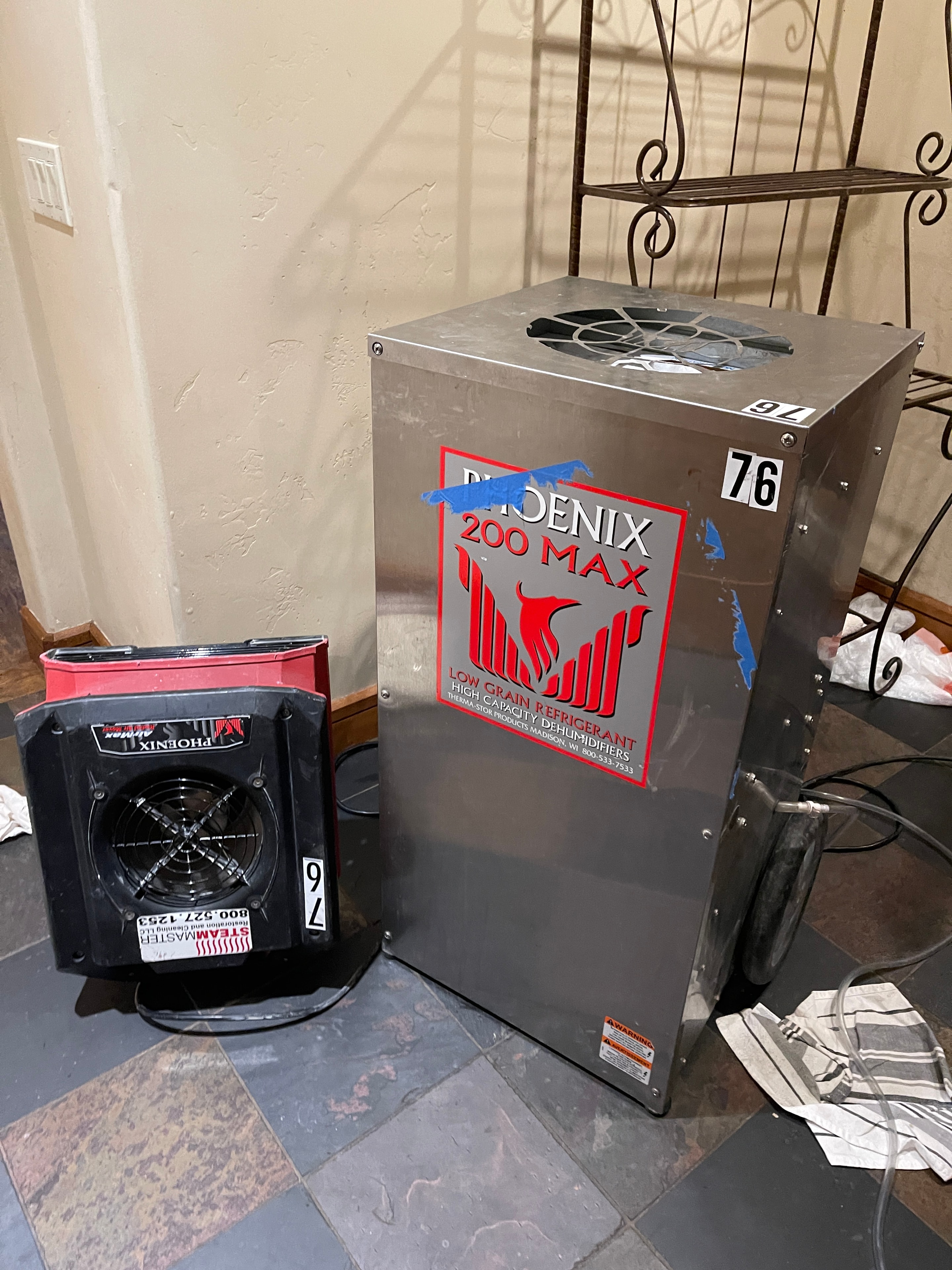
Removing visible water is the first step. Drying the materials that absorbed it is another. Professional dehumidifiers help make that happen, but choosing the equipment and knowing when to remove it takes more than a square-footage calculation.
How does a dehumidifier work?
Think about droplets forming on the outside of a cold glass. That water comes from moisture in the surrounding air.
A refrigerant dehumidifier uses the same principle. A fan pulls humid air across a cold coil, where moisture condenses into droplets. The collected water drains away. The air then passes over a warm coil and returns to the room warmer and drier.
As wet building materials release moisture through evaporation, the machine removes it from the air. Air movers help by moving humid air away from wet surfaces.
Together, they create conditions that support drying. They cannot guarantee that moisture trapped inside every wall or floor assembly will escape without additional access.
How is the right dehumidifier size calculated?
"Size" means moisture-removal capacity, not the machine's physical dimensions.
The ANSI/IICRC S500 Standard for Professional Water Damage Restoration addresses drying technology, materials, equipment, and restoration procedures. The IICRC also publishes a separate worksheet for estimating initial dehumidification needs.
For refrigerant equipment, that worksheet considers the drying area's cubic footage, the class of water intrusion, and the equipment's rated capacity.
Example calculation:
A 20 x 25 foot room with an 8-foot ceiling has 4,000 cubic feet of volume. Under Class 2 conditions using LGR equipment, the IICRC worksheet applies a factor of 50:
4,000 ÷ 50 = 80 pints per day
One LGR dehumidifier rated at 80 pints per day would meet that initial calculation. With 70-pint units, the calculation produces 1.14 units, rounded up to two.
This is a starting estimate. The factor changes with the equipment type and class of water intrusion. The calculation does not establish how many days drying should take.
Use the correct equipment rating
The worksheet uses the unit's AHAM rating. Restoration equipment commonly lists this capacity at 80°F and 60% relative humidity.
A larger advertised "maximum" capacity may reflect hotter, wetter test conditions. Those ratings are not interchangeable. Actual water removal also changes as the building dries and conditions change.
Why every job needs its own drying plan
Two rooms with the same dimensions can require different equipment arrangements, methods, and drying times. The materials and the way the building was assembled matter:
Porous materials. Carpet, drywall, and insulation can absorb and hold substantial moisture. Their condition and suitability for drying must be assessed.
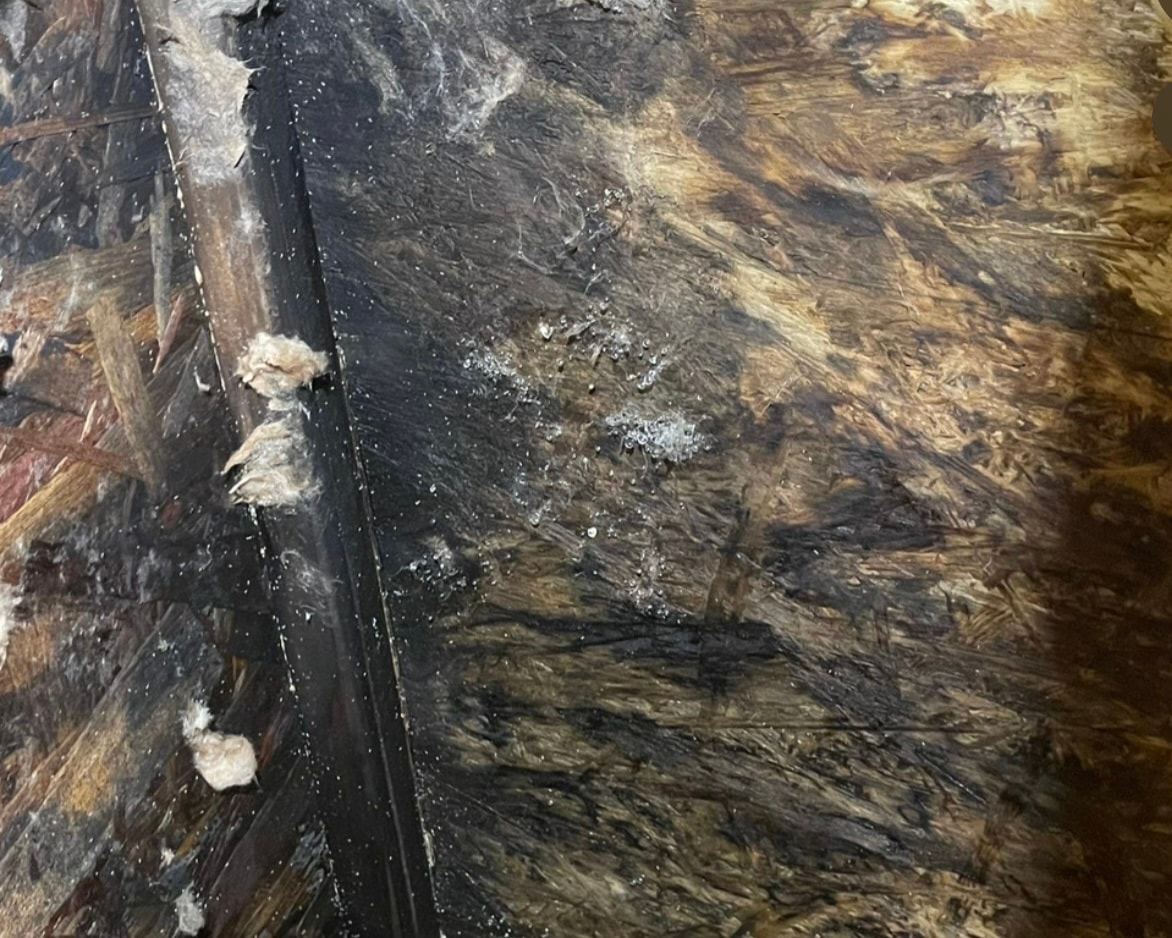
Double-layer drywall. Moisture between sheets has a restricted path out. The exposed surface can feel dry while the layer behind it remains wet.
Layered flooring. Hardwood, underlayment, and multiple subfloor layers can hold moisture where ordinary airflow cannot reach.
Paint and vapor barriers. These can slow moisture movement out of an otherwise dry-looking assembly.
Enclosed spaces. Wet insulation, wall cavities, and areas beneath cabinets may require targeted drying, access, or removal.
Temperature and ongoing moisture. Cold rooms, unresolved leaks, and uncontrolled incoming air can affect performance.
These conditions can change the initial equipment estimate or require a different approach. Adding another dehumidifier will not necessarily solve a problem caused by inaccessible moisture.
When necessary removal is awaiting approval
Sometimes affected materials need to be removed, but authorization has not yet been provided.
While those materials remain, they may hold moisture and block access to wet framing or subfloors. Drying can take longer, and some materials may not be suitable for drying in place.
The recommended removal, pending approval, and effect on progress should be documented and communicated promptly. Equipment cannot make an access restriction disappear.
Daily monitoring shows whether drying is working
Drying equipment should not simply be installed and left running without checking progress.
Daily monitoring should include material moisture readings, temperature, humidity, and equipment performance. Comparing readings from consistent locations helps show whether the drying plan is working. IICRC S500's structural-drying guidance addresses monitoring and adjusting the drying process.
If readings stop improving, the reason needs investigation. Moisture may be trapped, a leak may continue, or the drying method may need adjustment.
Timely verification matters
If drying duration or equipment needs are questioned, a qualified second opinion should be arranged promptly, while site conditions can still be inspected. The review should consider moisture records, construction details, access restrictions, and any delayed approvals.
Final readings should verify that established drying goals have been reached before equipment is removed or affected assemblies are closed up.
The calendar tells us how long equipment has been running. Moisture readings tell us whether the building is drying.
For water damage help in Vail, Breckenridge, Snowmass, Aspen, and the surrounding Eagle County communities, call SteamMaster at 970.827.5555. Serving mountain communities since 1978.
References: ANSI/IICRC S500 Standard for Professional Water Damage Restoration and IICRC Initial Dehumidification Recommendation Factors and Formulas.
Explore Topics
Written by
SteamMaster360
Content creator and writer sharing insights and stories.